
Food safety notes / Everyday kitchen hygiene
Small habits that help prevent cross-contamination
From chopping boards to handwashing, keep good separation at the heart of your kitchen routine.
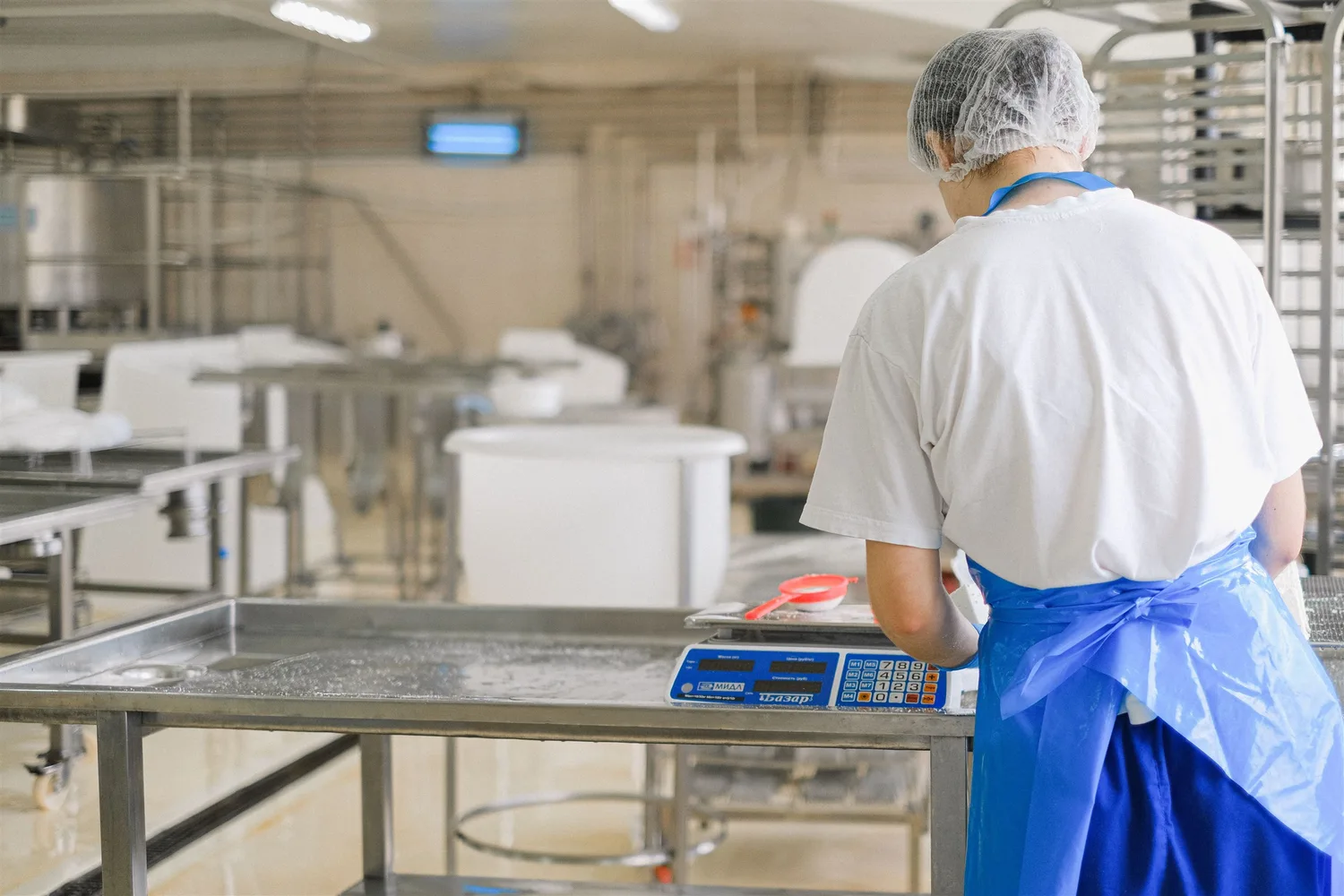
A kitchen can look tidy while bacteria still move between food, hands and equipment. Cross-contamination is that transfer. Thinking about the journey from raw ingredients to ready-to-eat food helps make the less obvious risks easier to spot.
Give raw and ready-to-eat food their own space
Keep raw ingredients covered and separate from food that will be eaten without further cooking. Use separate fridges where possible; otherwise, store raw food below ready-to-eat food to prevent drips. Separation also matters on the preparation counter.
Further reading: FSA guidance on preventing cross-contamination
Pay attention to the change between tasks
Use separate boards and utensils for raw meat, poultry and ready-to-eat food. Wash hands thoroughly with soap and warm water before food preparation and after handling raw food. Do not wash raw meat or poultry: splashes can spread bacteria around the kitchen.
Further reading: FSA guidance on equipment and hand hygiene
Make cleaning a routine, not a final task
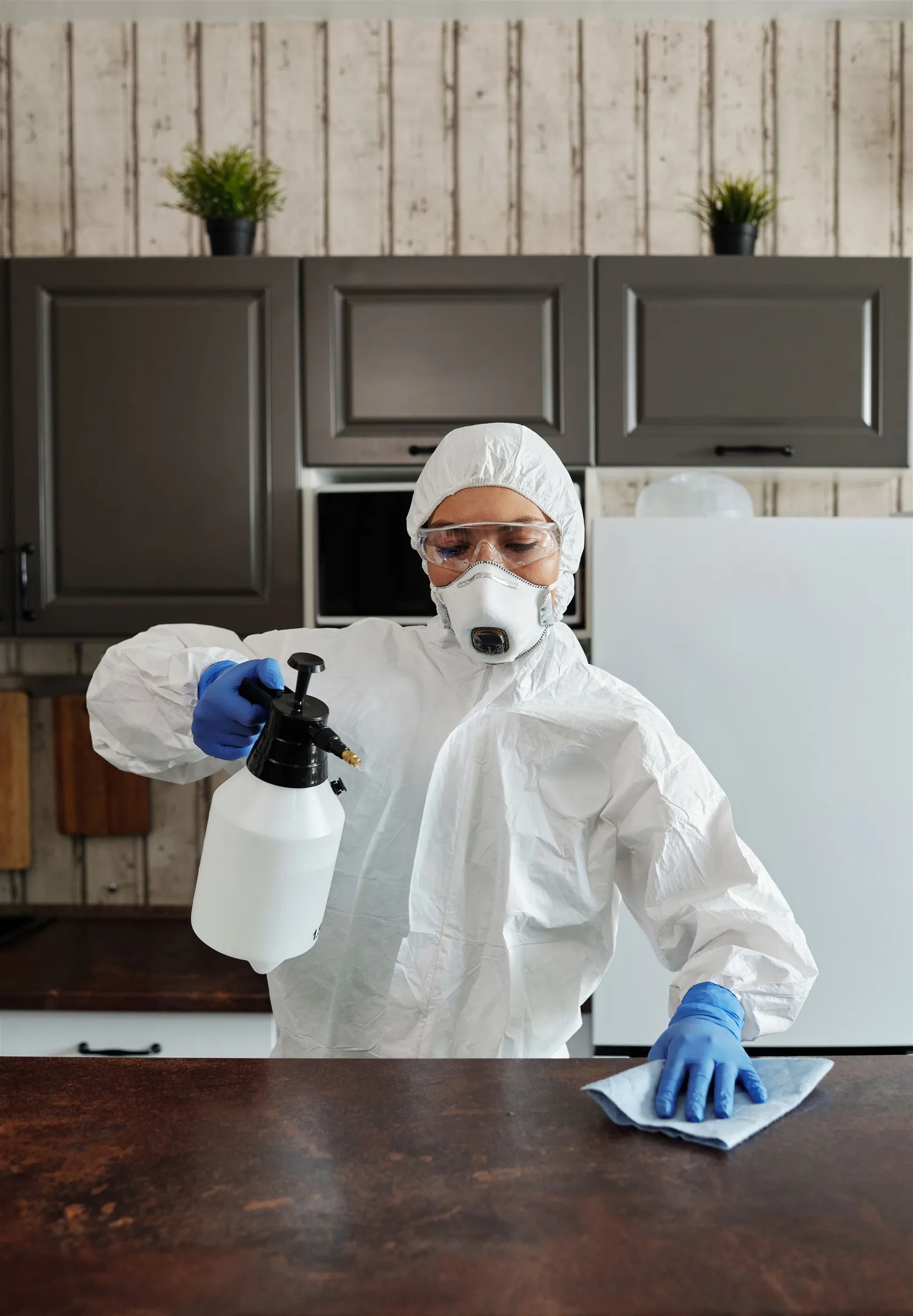
Clean and disinfect food-contact areas and equipment after contact with raw food. Include frequently touched places such as handles, switches and bins in the cleaning schedule. The schedule should explain what to clean, how often and which products to use. Keep cleaning chemicals away from food.
Further reading: Official guidance on cleaning in food businesses
Turn the advice into an everyday routine
Walk through a typical preparation task. Where does the board go afterwards? What gets touched next? How is the work area checked before the next task? These questions can help turn a written procedure into a clear, practical routine.
Put it into practice
A useful starting point: follow one ingredient through your kitchen and look at every surface, utensil and pair of hands it meets.
Need a closer look at your kitchen?
Edible Delights can review everyday practices and help put practical improvements into action.
Discuss Your Kitchen